Becoming a Certified Nursing Assistant is one of the fastest ways to start a career in healthcare. The demand for CNAs is high, and the training is accessible. If you’re ready to make a difference in people’s lives, here’s your clear path forward.
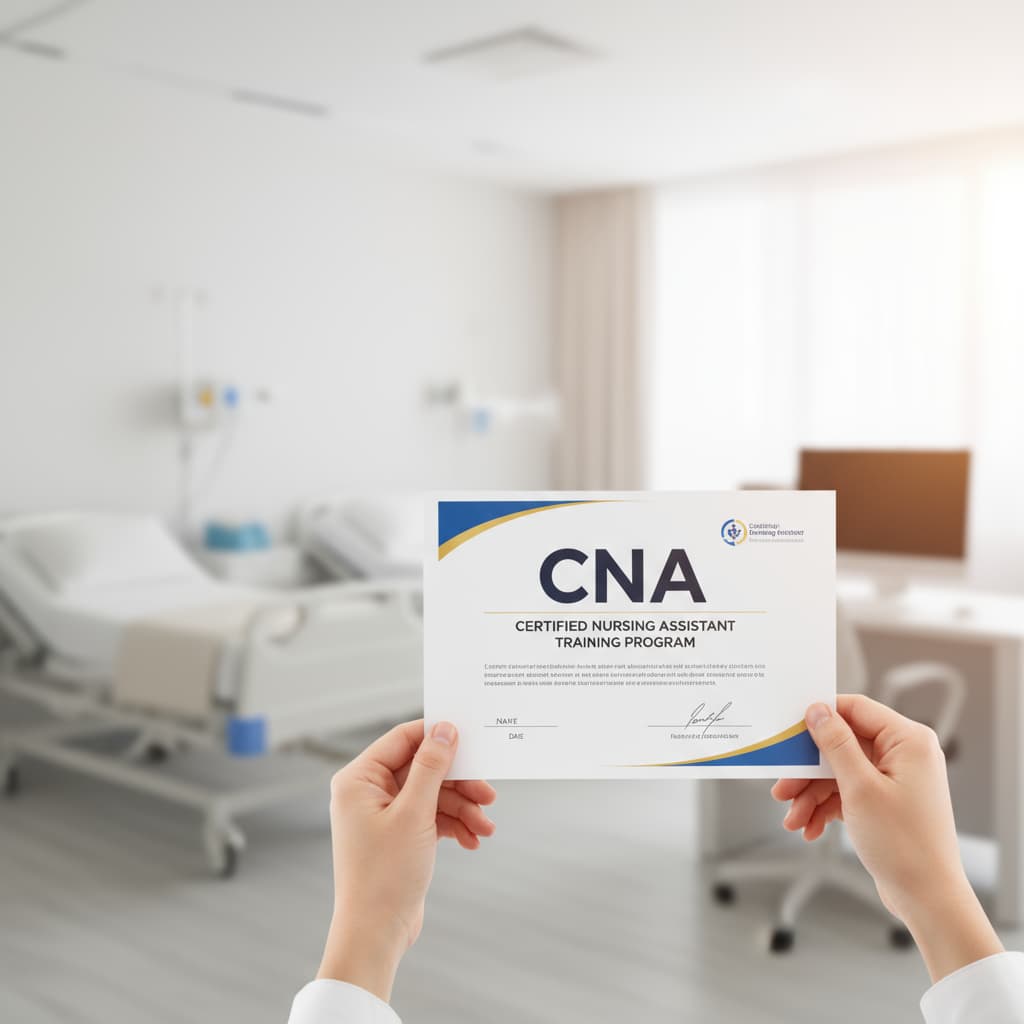
Complete a State-Approved Training Program: This is the most crucial step. These programs can be found at community colleges, vocational schools, and even some healthcare facilities. They typically involve classroom instruction and hands-on clinical practice. The training covers essential skills like patient hygiene, feeding, mobility assistance, and vital sign monitoring.
Pass Your State’s Certification Exam: After completing your training, you must pass a state-specific exam. This exam has two parts: a written test (multiple choice) and a practical skills test where you will demonstrate your ability to perform a set of patient care tasks.
Get on the State Registry: Once you pass the exam, you will be placed on your state’s Nurse Aide Registry. This registry is how employers verify your certification.
Create a Professional Resume: Highlight your CNA certification, your training, and any clinical hours you completed. Emphasize soft skills like empathy, patience, and communication—these are just as important as your technical skills.
Start Your Job Search: Look for jobs on hospital websites, long-term care facility career pages, and home health agency sites. Your certification and readiness to work will get you noticed quickly.
By following these steps, you’ll be on your way to a stable and rewarding career in healthcare.
Apply before your exam and ask for a conditional offer pending the state test — I did that and started the week my results posted; turns out paperwork is the real boss .
Building on @lucas.ste2141, I shaved a week off my start date by knocking out TB test, vaccine records, CPR, and fingerprints before the exam — HR can move slower than a med cart at shift change. For the skills test, bring a “watch with a second hand” and a cheap gait belt to keep your timing clean.
Quick tip: ask a local long‑term care facility which state‑approved program they partner with — mine covered tuition and the state exam for a 6‑month commitment, and , the paperwork was the hardest part. I’m with @lucas.ste2141 on moving fast, but spend an hour with your state skills checklist and a timer; missing ‘hand hygiene’ or the privacy curtain is what dings people. If exam slots look booked, call the testing vendor first thing Monday for cancellations — those spots go fast.
After I wrapped a ‘state-approved’ program, I booked the CNA skills exam two weeks out and asked to be waitlisted — got a cancellation and tested three days sooner. , slots disappear fast, so check multiple testing sites on your state registry and set alerts — small caveat: some employers want AHA BLS for CPR, not generic, so it can save you a redo.
I shaved a week off my timeline by getting the physical, TB test, and fingerprints done in the first week of class so I didn’t get stuck waiting to start clinicals. The “training is accessible” part is spot on, but those screenings can take 7–10 days, so front‑load them.
 .
.